Blog

When buying clothes for children, many parents face the same dilemma: choose trendy, stylish pieces or prioritize functionality? The truth is that children don’t experience clothing the same way adults do. For them, getting dressed is about moving, playing, exploring, and feeling comfortable all day long.
Understanding the difference between kids fashion and functional clothing helps parents make more conscious decisions aligned with children’s real needs. On the POP Kids blog, these topics are explored through everyday family experiences.
What we mean by kids fashion
Kids fashion is often influenced by trends, seasonal colors, bold prints, and styles that imitate adult clothing.
These garments are usually characterized by:
- visually appealing designs
- more structured cuts
- fabrics chosen to look good, not always to move comfortably
- occasional or limited use
This doesn’t mean kids fashion is negative, but it’s often not designed for the intense daily use children put their clothes through.
What is functional clothing for children?
Functional kids clothing is designed based on children’s real routines and daily lives.
It focuses on:
- comfort over long hours
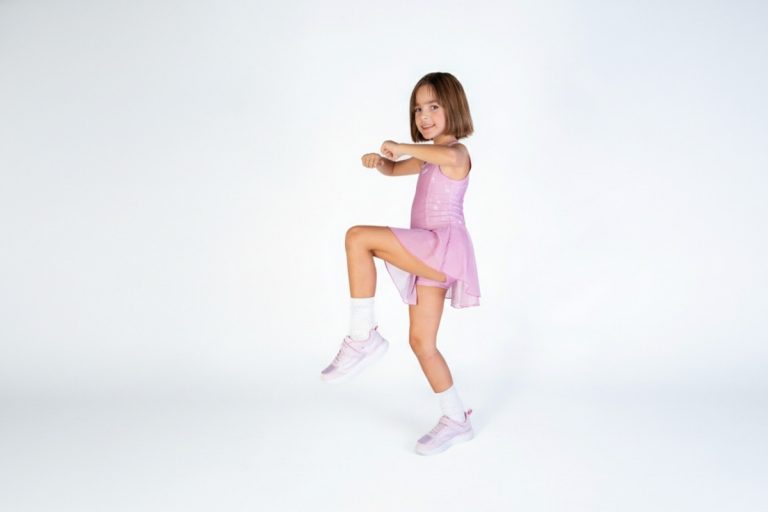
- freedom of movement
- durable, breathable fabrics
- garments that are easy to put on, take off, and wash
This type of clothing supports children’s natural rhythm and adapts to playtime, school, outings, and rest without causing discomfort. These qualities are found in collections of comfortable and functional kids clothing made for everyday wear.
How clothing behaves in children’s daily routines
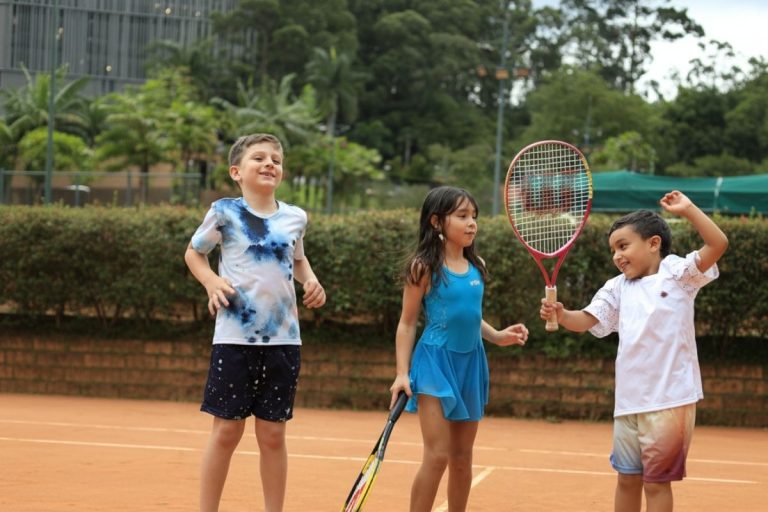
Children don’t walk carefully or sit still. They run, roll on the floor, get dirty, repeat movements, and switch activities constantly.
In this context:
- very stiff clothing becomes uncomfortable
- low-stretch fabrics limit play
- tight cuts cause irritation
That’s why many parents end up relying on just a few pieces from the closet — usually the most comfortable and durable ones.
Fashion vs functionality: key differences
| Kids fashion | Functional clothing |
| Prioritizes appearance | Prioritizes comfort |
| Occasional use | Daily use |
| Limited movement tolerance | Designed for movement |
| Often requires special care | Easy to wash and maintain |
| Lower durability | Longer lifespan |
This comparison helps explain why functional clothing often becomes children’s favorite.
The impact of clothing on children’s well-being
When clothing is uncomfortable, children express it through irritability, refusal, or avoiding certain garments altogether.
Functional clothing:
- reduces physical discomfort
- allows focus on play and learning
- supports independence
- gives parents peace of mind
Choosing comfortable clothing isn’t just practical — it’s a way to care for children’s everyday well-being.
Functionality doesn’t mean giving up style
A common misconception is that functional clothing is plain or unattractive. Today, many brands successfully combine clean design with real functionality.
Garments designed for movement can be:
- modern
- visually appealing
- versatile for different settings
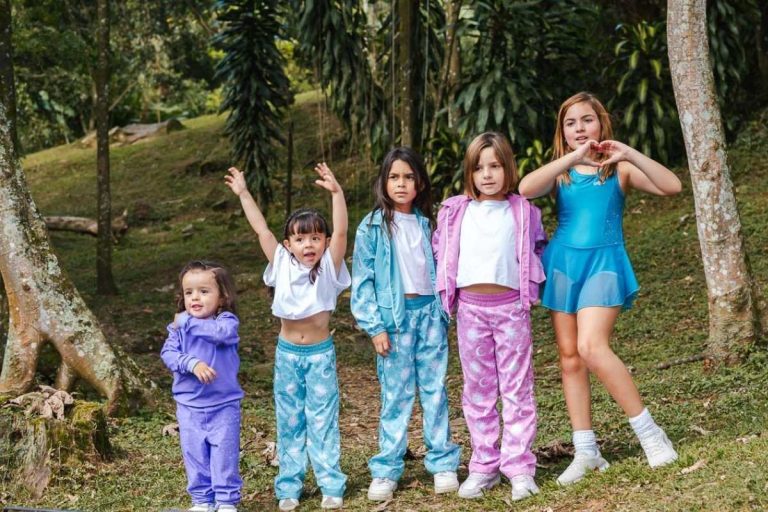
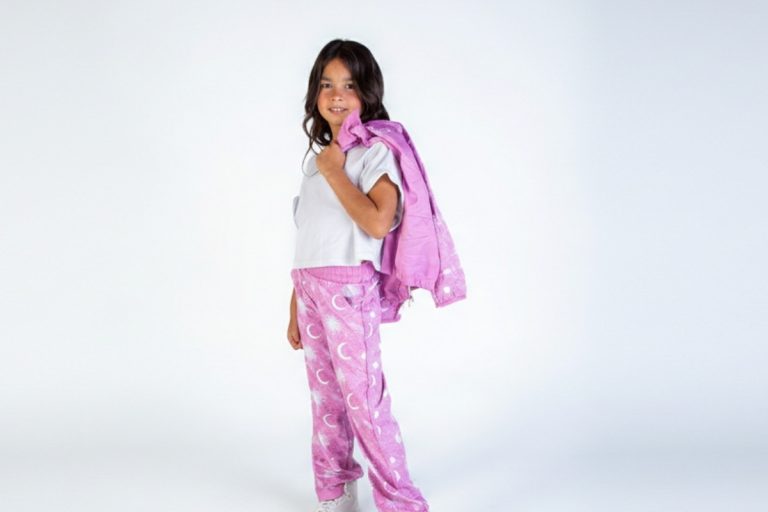
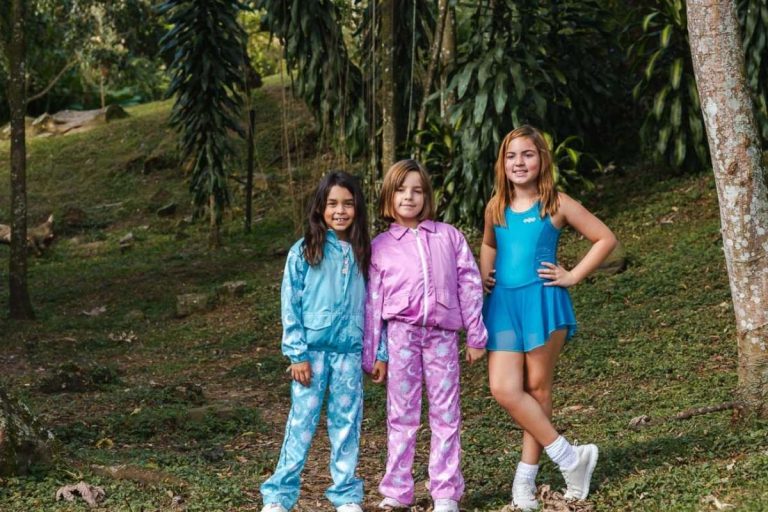
A great example is kids clothing designed for play, movement, and everyday comfort, which balances style with real-life use.
Buying with intention: fewer pieces, better choices
Choosing functional clothing helps build a smarter wardrobe.
This leads to:
- fewer unused garments
- fewer impulse purchases
- more clothes that actually get worn
- better value from each piece
For many families, this approach also means long-term savings.
Common mistakes when prioritizing fashion only
- buying clothes children don’t want to wear
- choosing delicate fabrics for everyday use
- prioritizing trends over comfort
- ending up with new clothes that are rarely worn
Observing how a child moves and lives is the best guide to avoiding these mistakes.
Frequently asked questions from parents
Is kids fashion unnecessary?
No, but it shouldn’t be the priority for daily wear.
Is functional clothing suitable for school?
Yes. Many functional garments are ideal for long, active school days.
How can I tell if a garment is functional?
Check the fabric, cut, stretch, and how comfortable it feels when moving.
Is it worth investing in functional clothing?
Yes. It usually lasts longer, gets worn more, and causes fewer issues.
Children don’t need clothes that look perfect in photos — they need garments that support their real, everyday lives. Understanding the difference between kids fashion and functional clothing allows parents to choose with comfort, durability, and well-being in mind.
If you have questions about which garments best suit your child’s routine, you can always contact the POP Kids team for personalized guidance.
At POP Kids, you’ll find kids clothing created for movement, play, and real childhood — without sacrificing design or practicality.