Blog

A well-organized kids wardrobe isn’t about perfect aesthetics — it’s about real functionality. When clothing is thoughtfully selected and arranged around children’s routines, daily life becomes easier: less morning stress, more independence, and clothes that actually get worn.
Knowing how to organize a practical and functional kids wardrobe helps families simplify decisions, optimize space, and naturally support children’s growth. On the POP Kids blog, these everyday dynamics are explored through real family experiences.
Designing the wardrobe around a child’s real life
Before folding or hanging clothes, the first step is observing how the child lives.
Ask yourself:
- do they attend school or preschool?
- do they spend a lot of time playing at home?
- do they practice a sport?
- can they dress themselves?
The wardrobe should respond to these routines, not to an idealized version of them. The most-used clothing should always be within easy reach.
Less quantity, more functionality
One of the most common mistakes is having too much clothing that rarely gets used.
A practical wardrobe is built around:
- comfortable, versatile garments
- clothing that mixes and matches easily
- pieces that work for multiple occasions
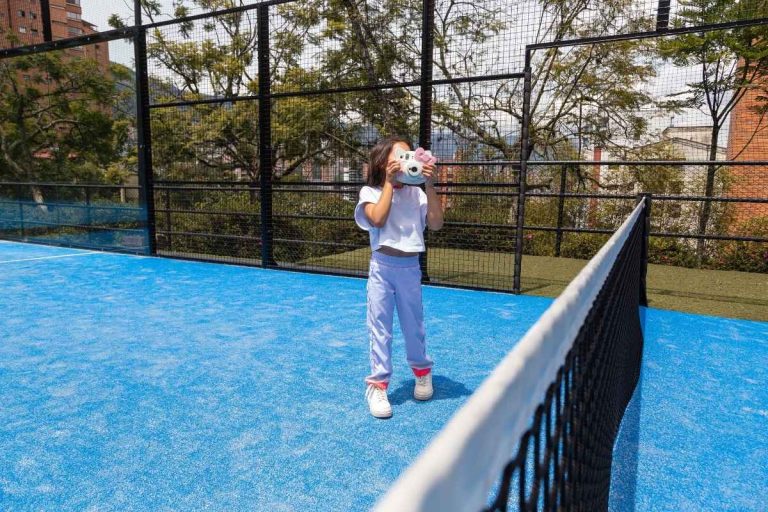
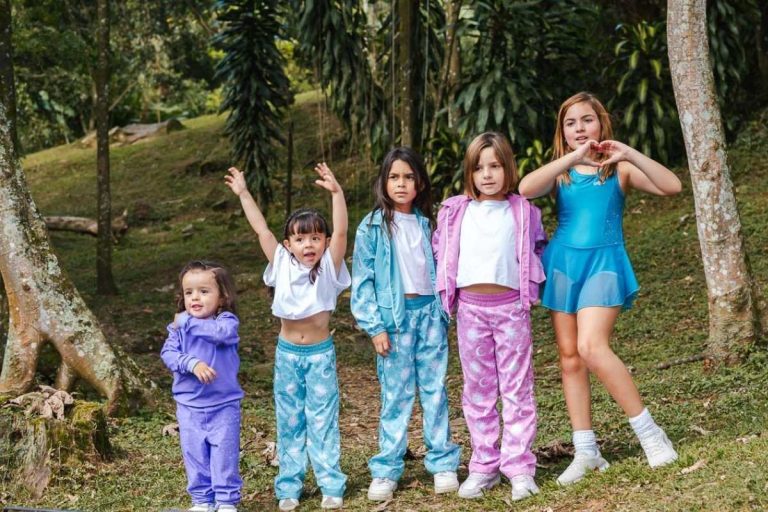
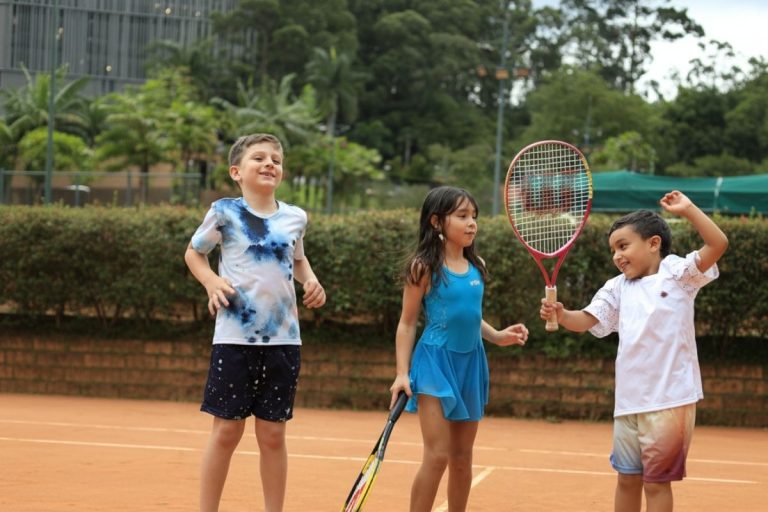
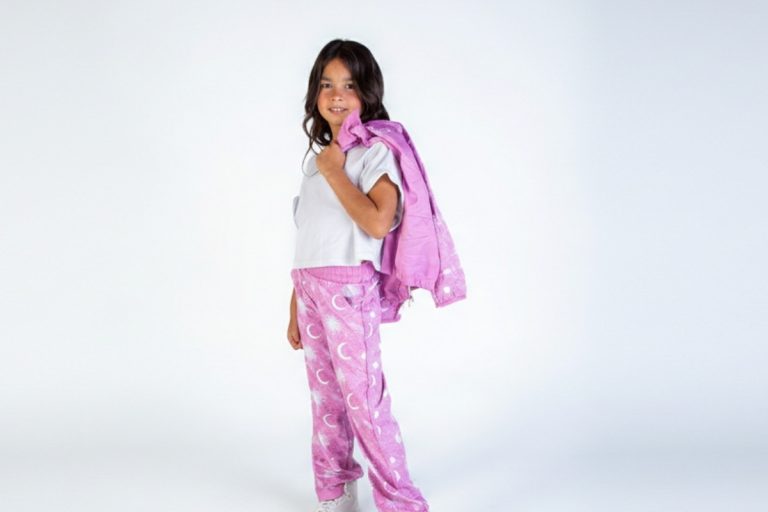
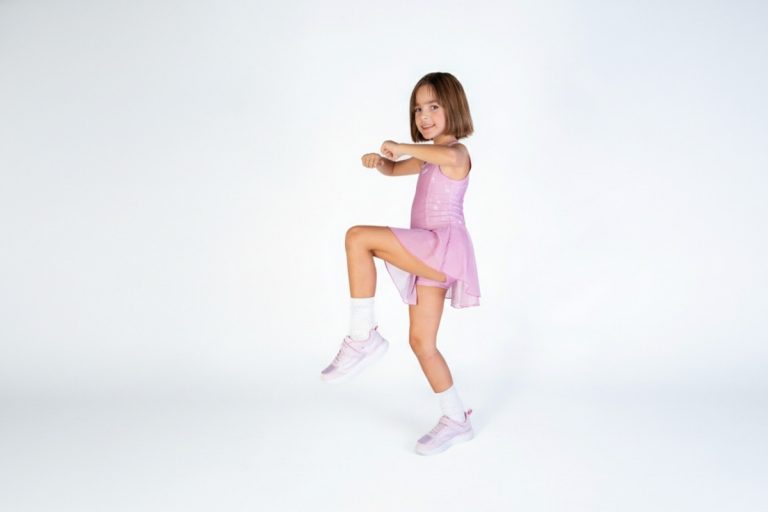
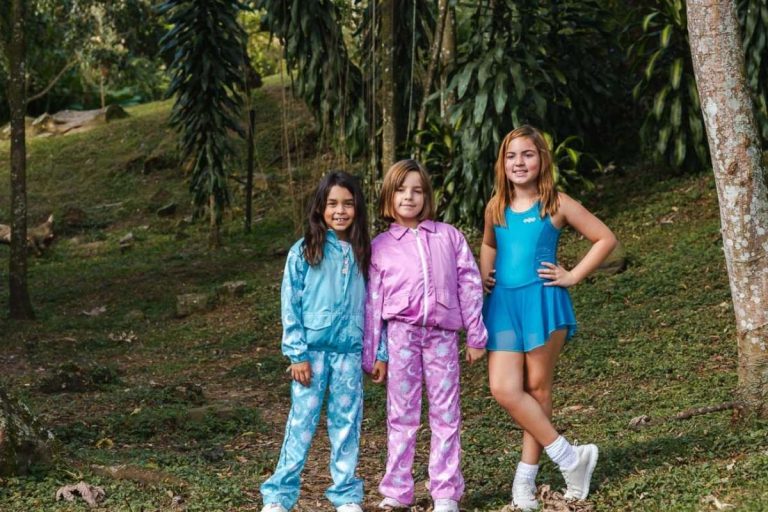
Many families prioritize kids clothing designed for play, movement, and everyday comfort, as it adapts to school, playtime, and time at home without constant outfit changes. These garments are often found in collections of comfortable and functional kids clothing made for daily wear.
Organizing clothing by use, not by type
Instead of separating only shirts, pants, or sweaters, it’s more functional to organize by moments of the day.
For example:
- everyday clothing
- sleepwear
- clothing for outings or special occasions
This makes it easier for children to identify what to wear and reduces decision time.
Adapting the wardrobe to the child’s height
A functional wardrobe encourages independence.
Helpful tips include:
- hanging or folding daily clothing at the child’s height
- using low drawers or visible storage boxes
- avoiding hard-to-reach shelves
When children can see and reach their clothes, they participate more actively in dressing themselves.
Visual order: less chaos, more clarity
Children respond very well to visual order.
You can support this with:
- grouped colors
- labeled drawers
- simple dividers
A clear wardrobe helps children understand where everything belongs and maintain order more easily.
Checking sizes and rotating clothes regularly
Children grow quickly, and the wardrobe should adapt accordingly.
It’s recommended to:
- check sizes every 3 to 4 months
- remove clothing that no longer fits
- store or donate unused items
This prevents children from wearing uncomfortable or too-tight clothing without parents noticing.

Choosing the right hangers and organizers
Not all organizers work well for kids clothing.
Ideally, use:
- small, lightweight hangers
- easy-to-open drawers
- flexible bins for sportswear or pajamas
Organization should simplify use, not make it harder.
Teaching children to care for their wardrobe
Involving children in organizing doesn’t just keep the wardrobe tidy — it also builds positive habits.
From an early age, they can:
- put away their clothes
- choose what to wear
- recognize their favorite pieces
This supports responsibility and independence.
Common mistakes when organizing a kids wardrobe
- prioritizing aesthetics over functionality
- storing clothes that are no longer used
- keeping uncomfortable items “just in case”
- failing to adapt the wardrobe as the child grows
A practical wardrobe evolves along with the child.
Frequently asked questions from parents
How much clothing does a child really need?
Enough to cover their weekly routine, with versatile pieces that can be worn repeatedly.
Is it better to fold or hang clothing?
It depends on the garment. What matters most is easy access for the child.
How often should the wardrobe be reorganized?
Ideally at each season change or whenever the child outgrows a size.
Can kids sportswear be the foundation of a wardrobe?
Yes. It’s comfortable, durable, and works for most daily activities.
A practical kids wardrobe isn’t about perfection — it’s about supporting real childhood. With fewer clothes, better choices, and organization built around children’s rhythms, everyday life becomes simpler and more harmonious.
If you have questions about which garments to prioritize or how to build a functional wardrobe based on your child’s age, you can always contact the POP Kids team for personalized guidance.
At POP Kids, you’ll find functional, comfortable kids clothing that makes wardrobe organization easier and supports children through every stage of growth.