Blog
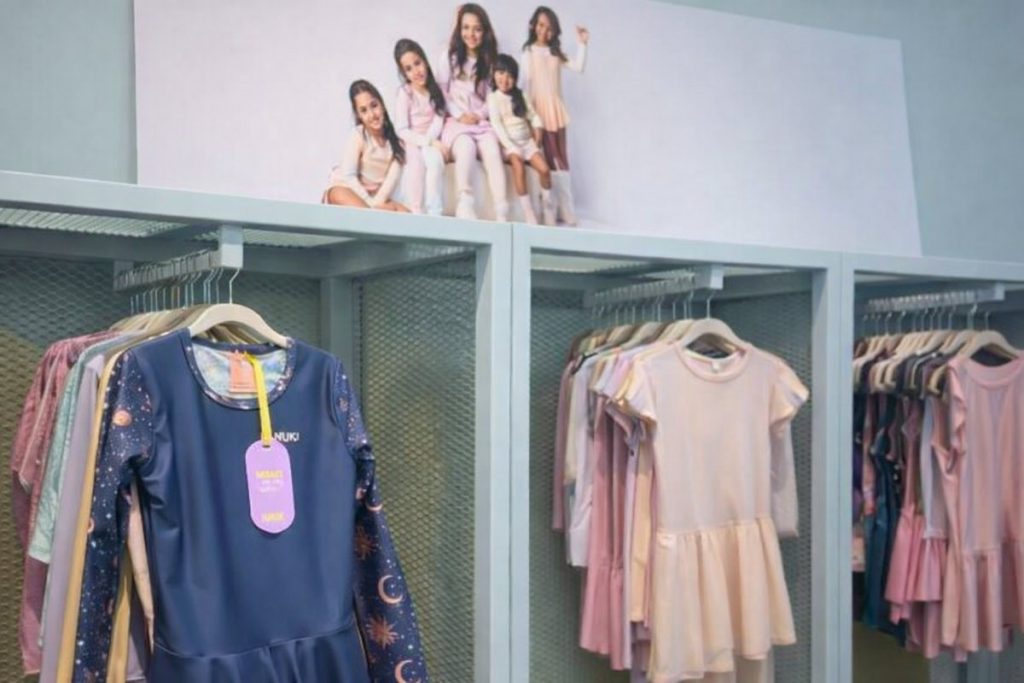
In warm climates like those found in many regions of Colombia, choosing the right fabric for children’s clothing is just as important as choosing the correct size.
Children move, play, sweat, and stay active for most of the day, so the fabric can make the difference between feeling comfortable or dealing with constant discomfort.
That’s why it’s important to understand which fabrics work best for kids’ clothing in warm weather, which ones to avoid, and what to look for when buying children’s clothes online.
Why fabric matters in children’s clothing
Children’s skin is more sensitive than adults’ and is still developing.
In warm climates, choosing the wrong fabric can lead to:
- Excessive heat
- Skin irritation
- Constant sweating
- Discomfort when moving
For this reason, children’s clothing should help regulate body temperature, allow proper breathability, and support natural movement. A good fabric doesn’t feel heavy, doesn’t get in the way, and doesn’t restrict.
What a good fabric for warm weather should offer
Before talking about specific materials, a suitable fabric for children in warm climates should be breathable, soft against the skin, lightweight, flexible, and resistant to daily wear.
It’s the combination of these qualities that truly defines comfort in everyday children’s clothing.
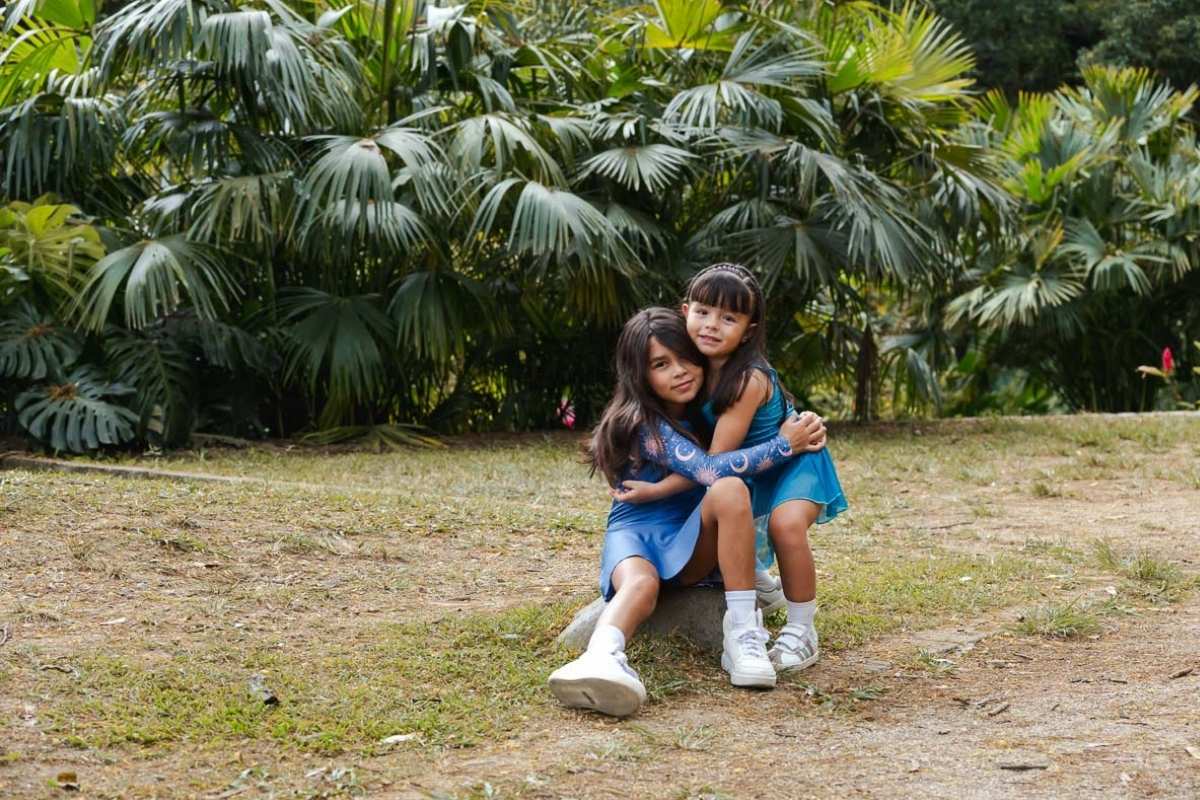
Best fabrics for children’s clothing in warm climates
Cotton (the most recommended option)
Cotton is one of the most commonly used fabrics in children’s clothing, and for good reason: it’s soft, breathable, absorbs moisture, and is gentle on the skin.
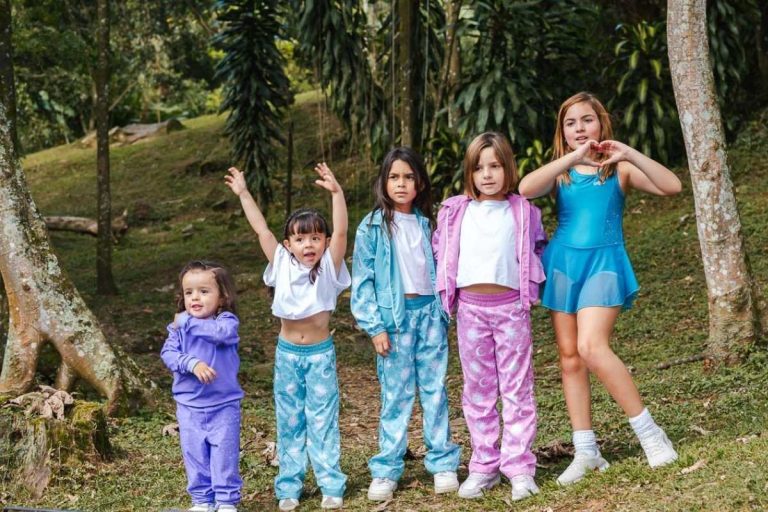
For active kids, cotton remains one of the safest and most functional choices, especially in garments designed for freedom of movement like everyday kids’ sportswear.
Cotton blends with soft fibers
Well-designed blends can add elasticity, maintain breathability, and improve durability.
It’s important to make sure the blend is intended for children’s wear and not stiff or heat-retaining—something brands that specialize in comfortable clothing for active kids pay close attention to.
Lightweight and breathable fabrics
Beyond the name of the material, there are clear signs of a good fabric: it feels light to the touch, allows airflow, and doesn’t create a sensation of heat.
Lightweight garments help children stay comfortable throughout the day, whether at school, at home, or playing outdoors.
Fabrics to avoid in warm climates
Not all fabrics are suitable for children, especially in warm weather. It’s best to avoid heavily synthetic fabrics that don’t breathe, rigid materials, heat-trapping garments, and rough or heavy textiles.
If a garment feels hot just by touching it, it’s probably not suitable for everyday children’s wear.
What research says about fabrics and children’s clothing
Studies and reviews on children’s clothing agree on one key point: for children’s well-being, it’s best to use lightweight, soft, breathable materials—ideally natural fibers—as they better support movement, play, and healthy development.
This approach isn’t a fashion trend; it’s a widely accepted best practice in children’s apparel design, especially for warm climates and daily activities. Comfort isn’t optional—it’s essential.
How to identify quality fabric when buying children’s clothes online
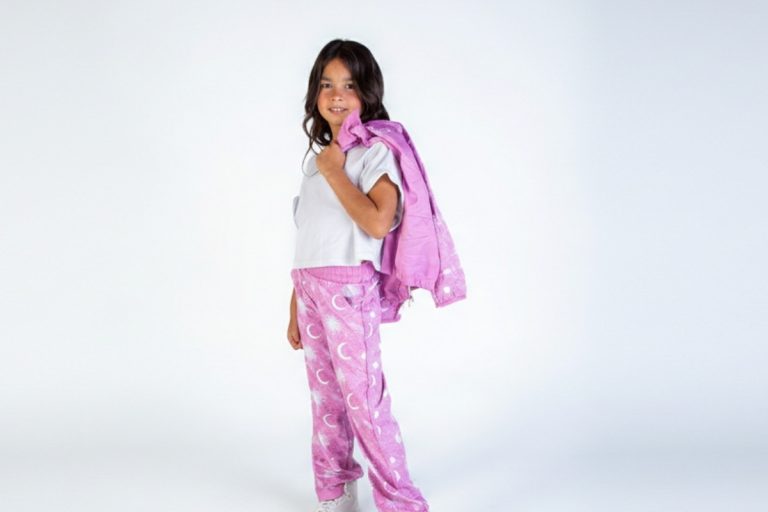
When shopping for children’s clothing online in Colombia, it’s important to check the fabric description, look for mentions of breathability or softness, note whether the garment is designed for daily wear and movement, and review photos that show how the fabric drapes.
These criteria are easier to understand once you know how to identify quality children’s clothing before buying.
Fabric and movement: a direct connection
The best fabric for children’s clothing in warm climates is one that doesn’t restrict, doesn’t feel tight, doesn’t cause excessive heat, and allows uninterrupted play.
When the fabric is right, children forget about their clothes and focus on playing, learning, and enjoying their day.
Parents’ frequently asked questions
What is the best fabric for children’s clothing in warm climates?
Cotton and soft, breathable blends are the most recommended options for children.
Are synthetic fabrics bad for kids?
Not all of them, but many don’t allow proper breathability. In warm climates, lightweight and breathable fabrics are a better choice.
How can I tell if a fabric is comfortable for an active child?
It should feel soft, light, and allow movement without creating heat or stiffness.
What fabric is best for everyday children’s clothing?
Soft, durable, breathable fabrics that support constant play and activity.
Choosing the right fabric is a direct way to protect children’s well-being.
Children’s clothing in warm climates shouldn’t be a source of discomfort—it should support movement, play, and freedom throughout the day.
Explore children’s clothing designed for real movement, comfort, and warm climates at POP Kids.