


Blog
Child wellbeing
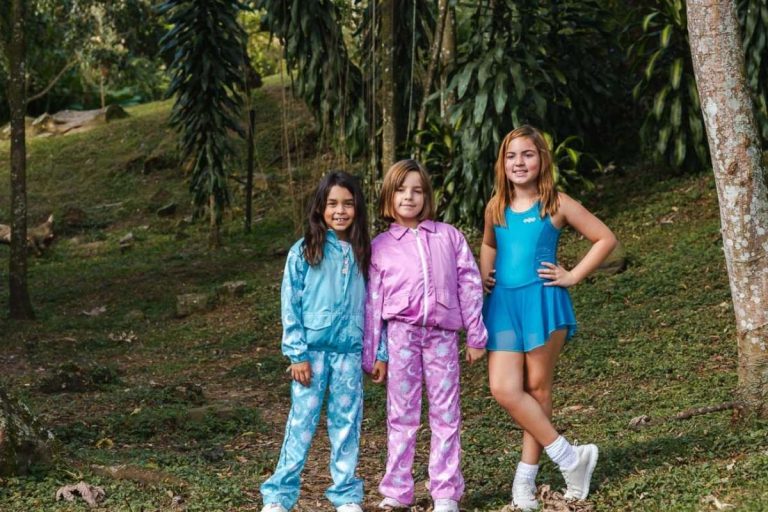
Children’s skin is more delicate than adults’. In some cases, it is especially sensitive and reacts easily to friction, heat, or certain materials. That’s why choosing kids clothing for sensitive skin is not a minor detail — it directly affects children’s comfort, well-being, and mood throughout the day.
When clothing isn’t suitable, issues such as itching, redness, or constant discomfort can appear. Knowing what to look for when buying helps prevent these problems and ensures garments truly care for children’s skin. On the POP Kids blog, these topics are addressed through real-life family situations.
Children’s skin:
In warm and humid climates, like many regions of Colombia, these reactions can intensify if clothing doesn’t allow proper breathability.
Choosing the right garments helps children feel calm, move freely, and stay focused without constant discomfort.
Fabric is always the first thing to evaluate. The right materials make a noticeable difference in how clothing feels on the skin.
The most recommended options include:
These fabrics reduce the risk of irritation and allow comfortable all-day wear. Understanding which fabrics work best for kids clothing in warm climates is essential when skin comfort is a priority, especially when choosing pieces from collections of comfortable and functional kids clothing.
Not all fabrics are created equal. Some can cause discomfort, especially for children with sensitive skin.
It’s best to avoid:
If a fabric doesn’t feel soft to the touch, it’s unlikely to remain comfortable after hours of wear.
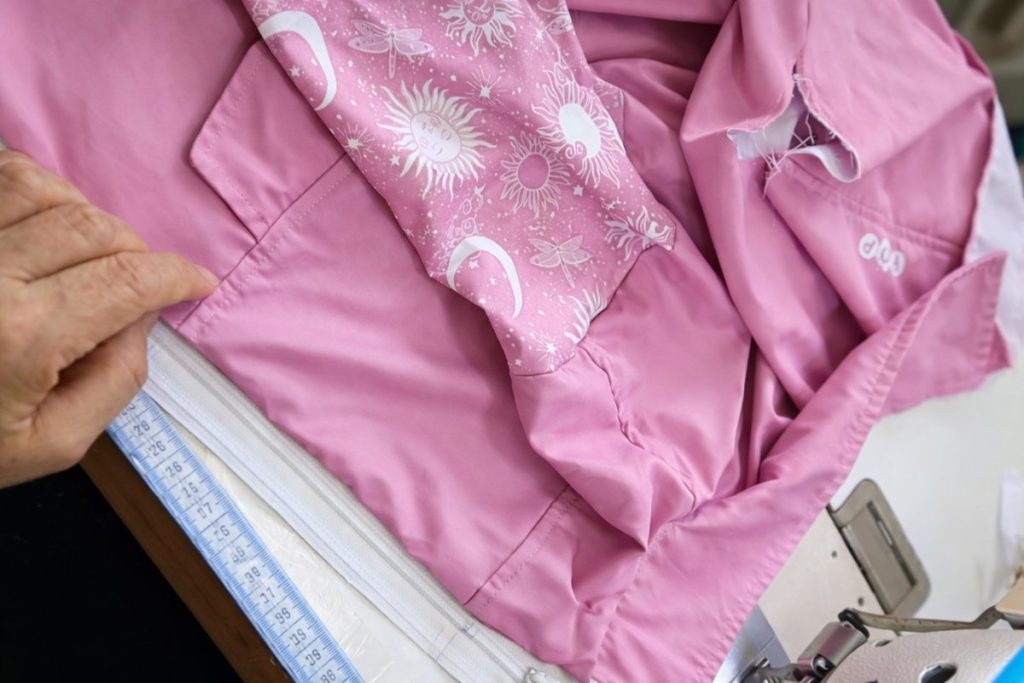
Construction quality is just as important as fabric choice. Poorly made or bulky seams can cause constant friction.
Look for garments with:
These features are usually found in well-made kids clothing designed for daily wear and prolonged skin contact.
Clothing for sensitive skin should never feel tight or restrictive. Design directly impacts how a garment feels during movement.
The most suitable designs:
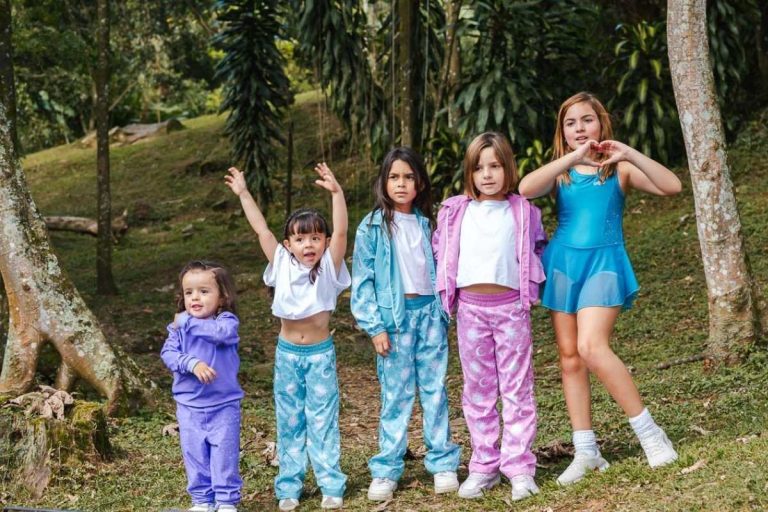
That’s why many parents choose kids clothing designed for play, movement, and everyday comfort, where functionality takes priority over rigid aesthetics.
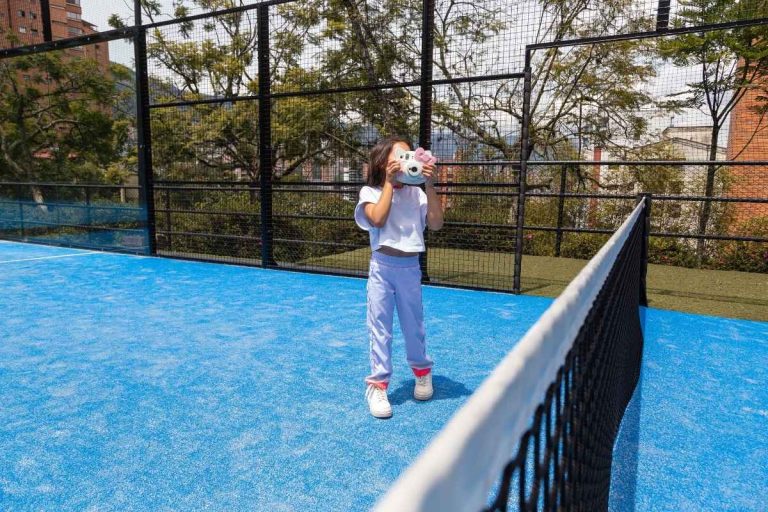
Although not always associated with skin care, well-designed kids sportswear can be an excellent alternative.
These garments often:
For this reason, comfortable kids sportswear for everyday use works very well for active children with sensitive skin.
Not all garments are used the same way. It’s important to think about what a child’s day will look like.
For:
Choosing clothing based on daily routines helps prevent unnecessary discomfort.
Constant discomfort affects both well-being and mood.
Soft, breathable garments with carefully finished seams that don’t cause friction.
It’s often a good choice, especially when it’s soft and high quality.
Yes, when it’s well designed and made with lightweight, comfortable materials.
If the fabric feels rough, seams are bulky, or the fit is tight, irritation is likely.
Choosing kids clothing for sensitive skin is a way to care for children starting with the basics — what they wear every day. Soft, well-made garments designed for movement help children feel comfortable, calm, and free throughout their routines.
If you have questions about fabrics, sizing, or which pieces work best for different ages or activities, you can always contact the POP Kids team for personalized guidance before buying.
No account yet?
Create an AccountAt POP, we strive to ensure the complete satisfaction of our customers. If for any reason you are not fully satisfied with your purchase due to sizing, we offer a fair and transparent return policy to guarantee a smooth and hassle-free shopping experience.
Return Period: We offer a 30-day return period starting from the date the order is received for returns or exchanges.
Return Conditions: Returned items must be in their original condition, unused, and with all original tags and packaging intact. We do not accept returns for items that show signs of wear, washing, or accidental damage. Sale items are subject to additional restrictions and may not be eligible for return or exchange.
Return Process:
Contact our customer service team within the return period to request a return authorization.
Once the return request is approved, you will receive instructions on how to proceed with shipping the returned item.
After the returned item is received and inspected, we will process your refund or exchange within a reasonable timeframe.
Shipping Costs: Original shipping costs are non-refundable unless the return is the result of an error by POP or a defective item.
Defective or Incorrect Items:
If you receive a defective or incorrect item, please contact our customer service team as soon as possible so we can resolve the issue quickly and efficiently.
Contact:
If you have any questions about our return policy or need additional assistance, please feel free to contact our customer service team at help@popkids.com.co or by phone at +57 316 765 8237.
At POP, your satisfaction is our top priority. We appreciate your trust in us and are here to assist you at any time throughout your shopping experience.