Blog

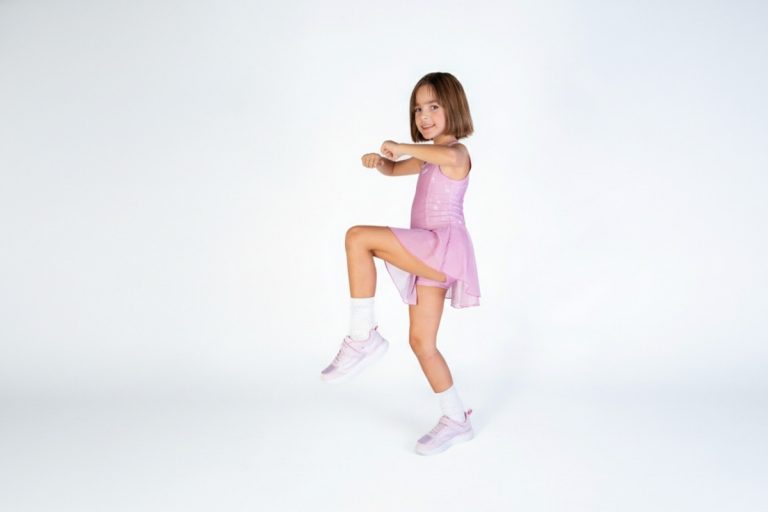
Colors are not just seen — they are felt. In childhood, color has a direct impact on mood, energy, and the way children express themselves. That’s why choosing kids clothing with color in mind goes far beyond an aesthetic decision.
The clothes children wear accompany key moments of their day: playing, learning, resting, socializing, and discovering the world. Understanding the power of color in kids clothing and its emotional impact helps parents choose garments that support emotional well-being and confidence. On the POP Kids blog, you can find more content that approaches childhood from an emotional, real-life perspective.
How children perceive colors
Children experience colors more intensely than adults. Their brains are constantly developing and respond more sensitively to visual stimuli.
Colors can:
- stimulate or calm
- support concentration
- boost creativity
- influence mood
That’s why color choices in kids clothing can support different activities and moments throughout the day.
Colors that convey calm and security
Soft and neutral tones are often associated with tranquility and emotional balance.
Colors such as:
- light blue
- soft green
- pastel tones
help create a sense of calm and safety. They are ideal for rest periods, quiet activities, or environments like school and preschool.
These colors work especially well in comfortable and versatile garments, such as those found in kids clothing designed for everyday movement, where children’s well-being is the priority.
Colors that stimulate energy and creativity
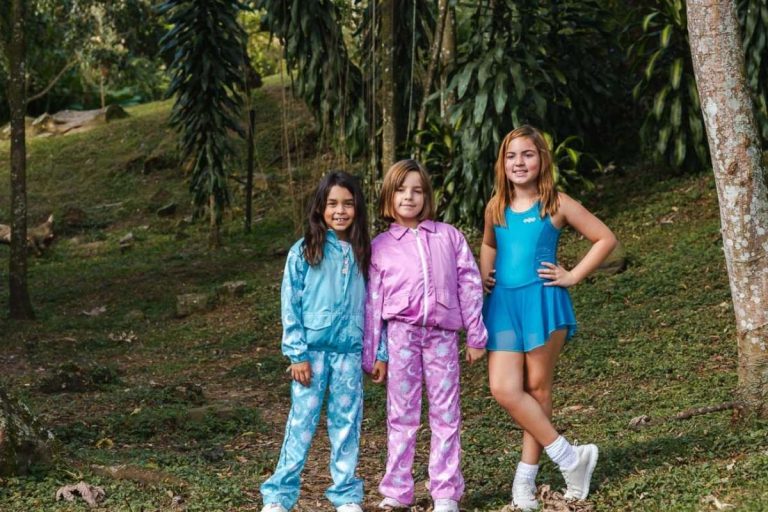
Vibrant colors spark curiosity, movement, and expression.
Among them:
- yellow
- orange
- red
These tones are often associated with joy, energy, and enthusiasm. They are great for recreational activities, active play, and moments when children need extra motivation.
When used in balance, they add vitality without causing overstimulation.
Color and children’s self-esteem
Clothing also influences how children perceive themselves. When a child feels comfortable with what they’re wearing, they move with more confidence and express themselves more freely.
Allowing children to participate in choosing colors:
- reinforces identity
- encourages autonomy
- boosts self-esteem
That’s why many families choose comfortable, functional kids clothing where color supports both movement and personality.
Color, gender, and freedom of expression
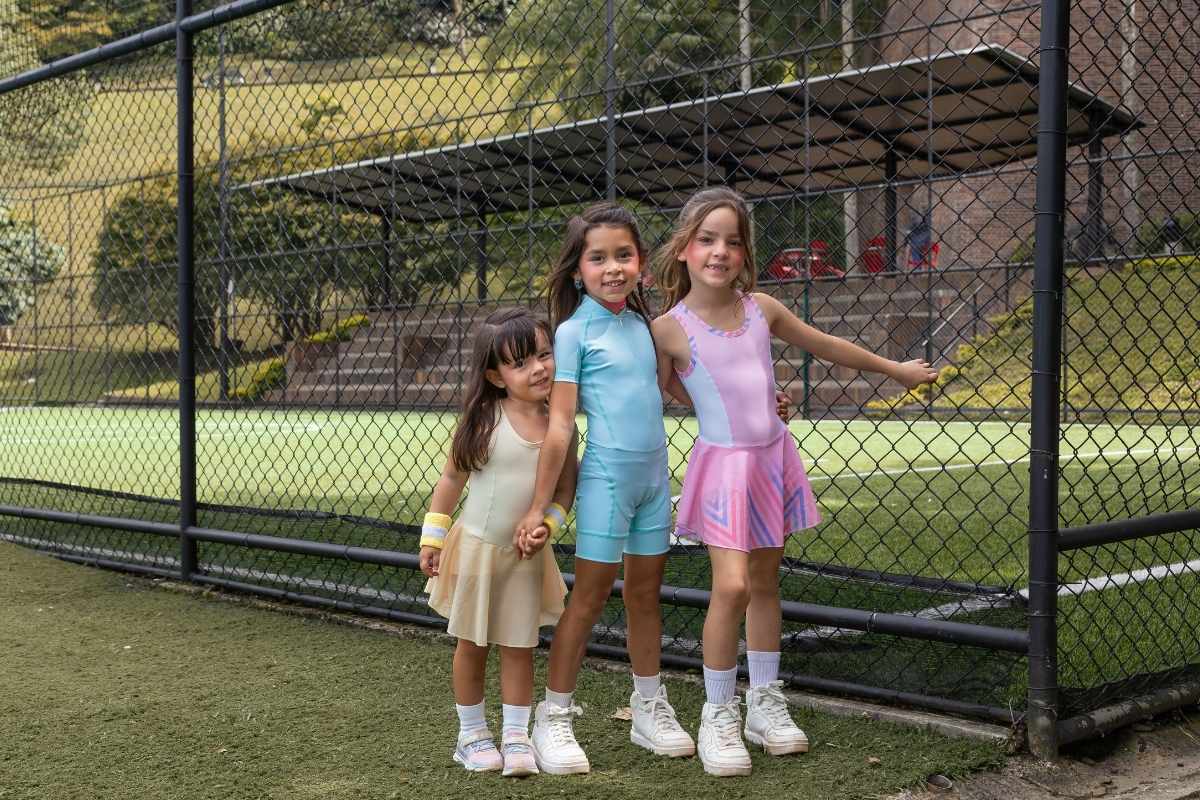
Today, more parents understand that colors don’t have gender. Limiting certain tones can restrict children’s natural expression.
Offering a varied color palette:
- encourages creativity
- breaks stereotypes
- allows children to express themselves freely
Modern kids clothing embraces inclusive colors that adapt to personal preferences, not labels.
How to choose colors based on daily routines
Thinking about daily life makes choosing easier.
For:
- school or study time → tones that support focus
- active play → bright, energetic colors
- time at home → soft, relaxing tones
Mixing different colors in a child’s wardrobe allows flexibility for different moments without complications.
Color and climate: an important factor
In warm climates, like many regions of Colombia, color also influences how clothing feels temperature-wise.
Light colors:
- absorb less heat
- feel visually fresher
- create a sense of lightness
This makes them a smart choice for everyday wear and outdoor activities.
Common mistakes when choosing colors in kids clothing
- choosing colors only based on trends
- imposing colors without considering the child
- using very dark tones in warm climates
- not varying the wardrobe’s color palette
Balance between preference, functionality, and emotion is key.
Frequently asked questions from parents
Do colors really affect children’s mood?
Yes. Colors can stimulate, calm, or create specific emotional responses.
Is it bad to use strong colors every day?
Not necessarily, but it’s best to combine them with neutral tones to avoid overstimulation.
Is it a good idea to let children choose colors?
Yes. It strengthens self-esteem and encourages self-expression.
Which colors are best for school?
Soft, balanced tones that support focus and calm.
Color is a powerful tool in childhood. Choosing kids clothing with thoughtful color choices helps support emotions, creativity, and confidence in children’s daily lives.
If you have questions about color combinations, styles, or which garments work best for your child’s routine, you can always contact the POP Kids team for personalized guidance.
At POP Kids, you’ll find garments where color, comfort, and design come together to support every stage of childhood with freedom and well-being.