Blog

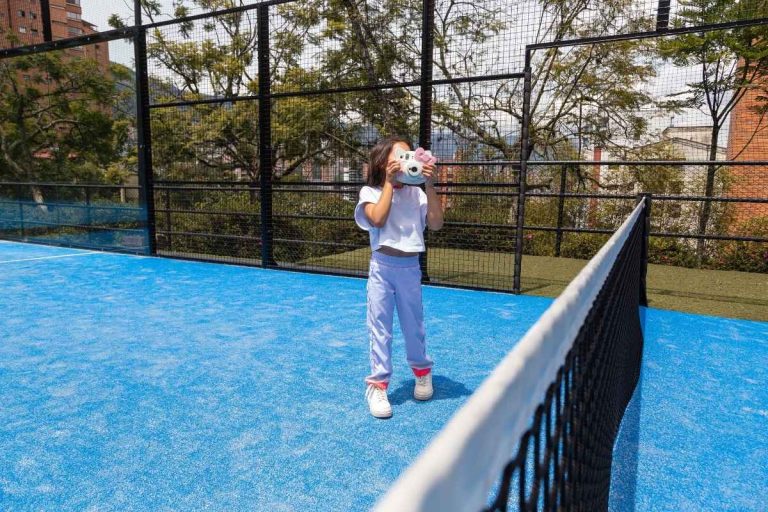
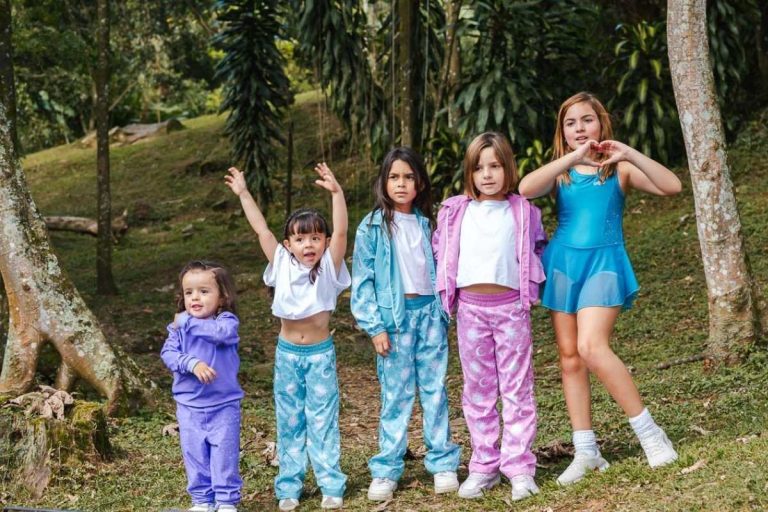
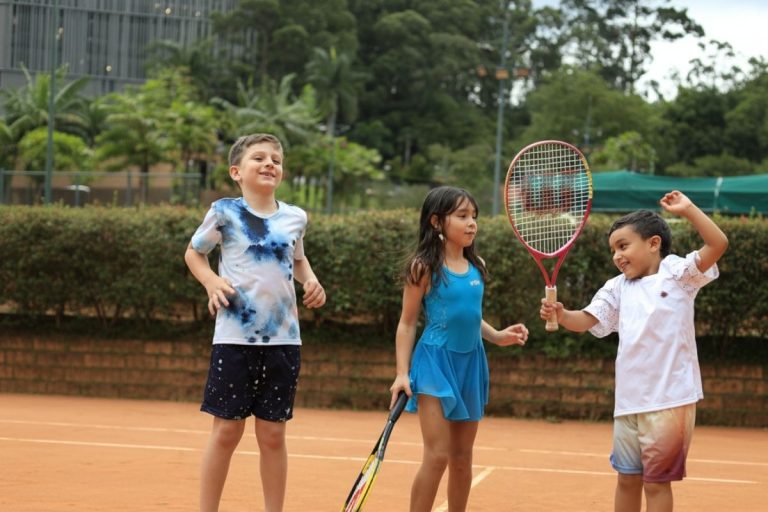
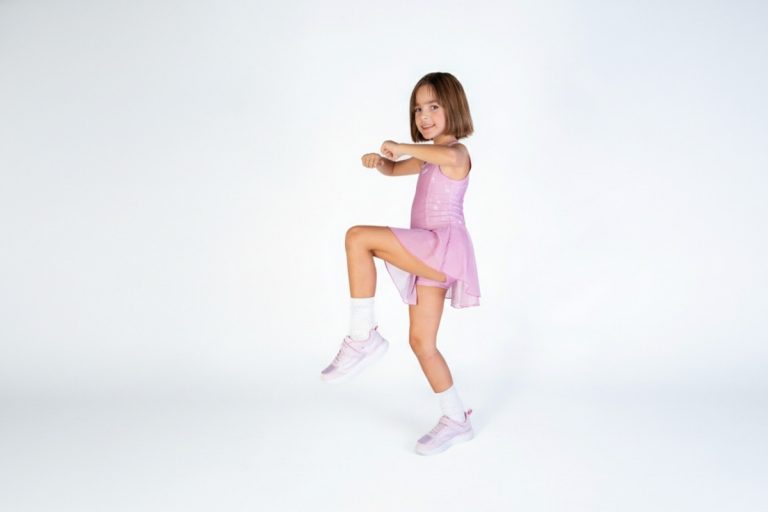
Children never stop moving. They jump, run, squat, throw themselves on the floor, and start all over again. For them, clothing is not a minor detail: it directly affects how they feel, how they move, and how they enjoy their day.
Choosing kids’ clothing designed to play, move, and enjoy is a decision that impacts the daily well-being of boys and girls, especially in environments where movement, weather, and physical activity are part of everyday life.
Movement as a natural part of childhood
Play is not just entertainment. It is learning, exploration, and physical and emotional development. When clothing restricts movement, children feel it: they become uncomfortable, frustrated, or simply stop playing freely.
Kids’ clothing designed for movement:
- Allows stretching, running, and sitting without restrictions
- Prevents chafing, pressure, or discomfort
- Supports intense play and daily activities
- Adapts better to different moments of the day
That’s why more parents are choosing functional garments and moving away from options that only prioritize looks. Understanding how to identify quality kids’ clothing helps parents make better decisions from the very first wear.
Why not all kids’ clothing works for play
Many children’s garments are designed to look good, but not to withstand real-life use. Stiff fabrics, rough seams, or impractical cuts can limit movement and affect daily comfort.
The difference becomes clear when children wear clothing:
- Made with flexible, breathable fabrics
- Designed with movement-friendly cuts
- That withstand frequent washing
- That doesn’t require constant adjustment
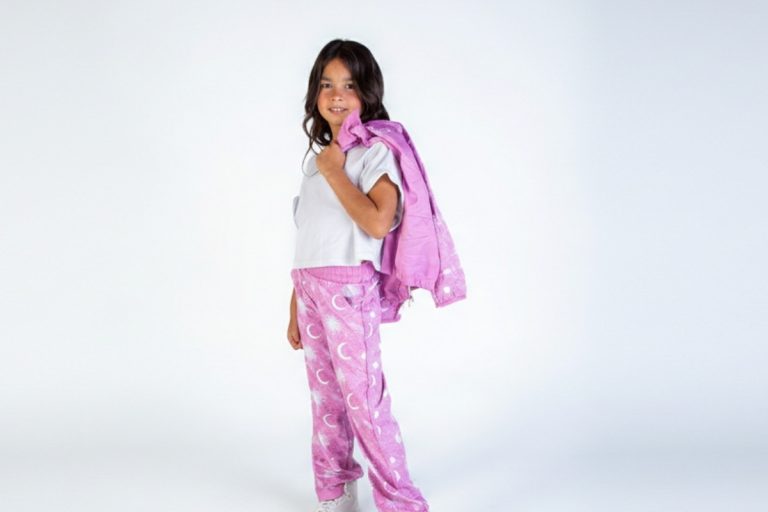
That’s why pieces like those found in the kids’ sportswear collection for active boys and girls become natural allies for play and movement.
Kids’ clothing and climate: a factor that can’t be ignored
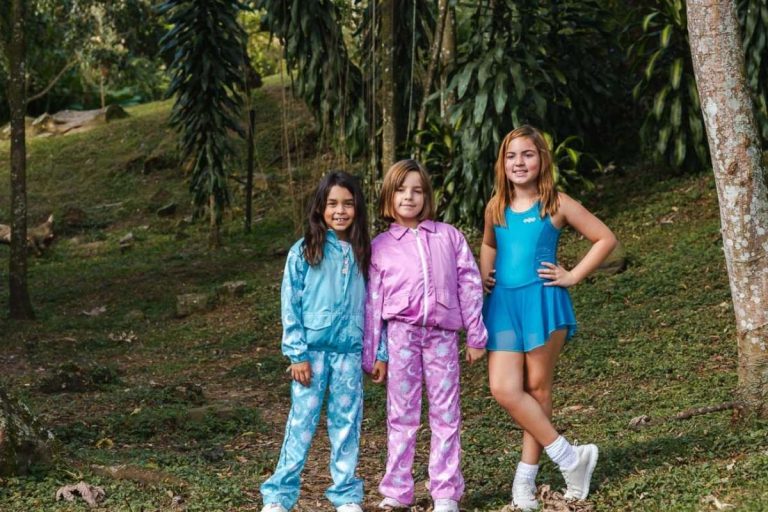
In Colombia, climate directly affects how children feel throughout the day. Warm temperatures and high humidity make fabric choice especially important.
Clothing designed for play should:
- Allow airflow
- Prevent heat buildup
- Dry quickly after sweating
- Maintain comfort for hours
Choosing the right materials truly makes a difference. Knowing which fabrics work best for kids’ clothing in warm climates helps avoid unnecessary discomfort during daily play.
How clothing influences children’s autonomy and confidence
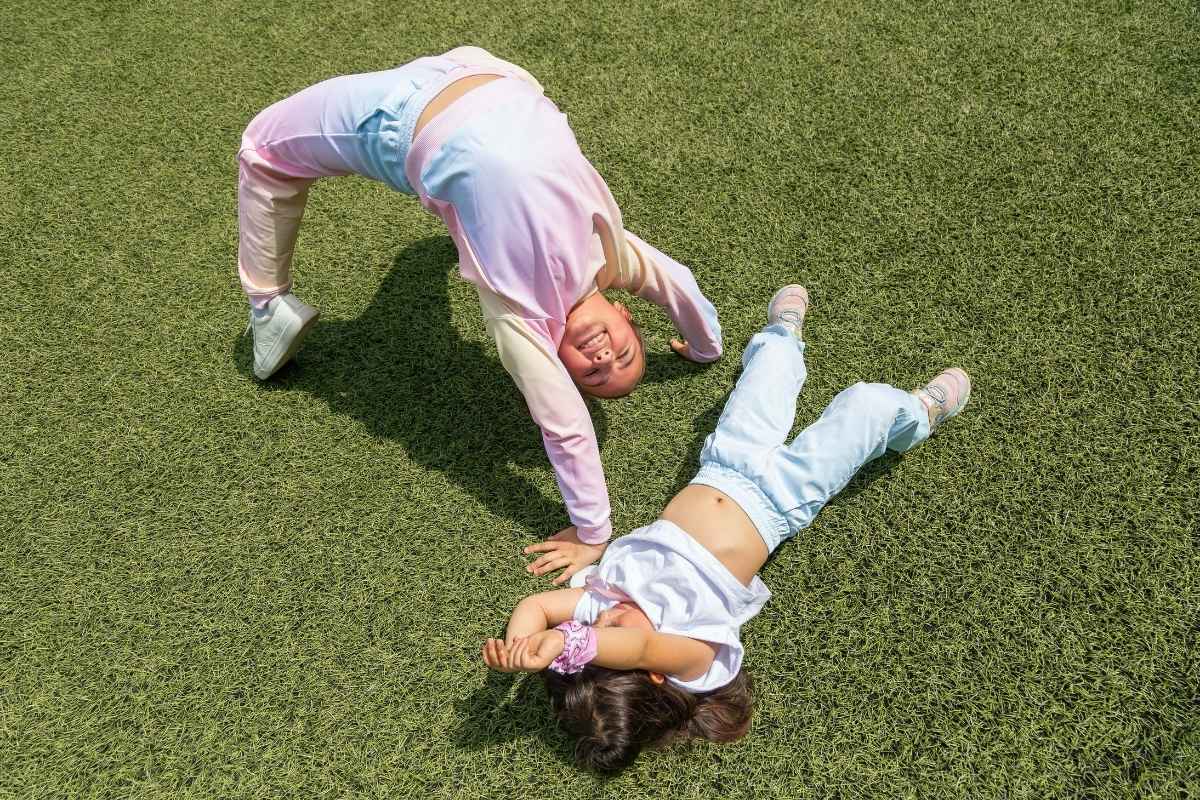
When children feel comfortable in what they’re wearing, they move with greater confidence. They don’t worry about adjusting their clothes or being bothered by them.
Functional kids’ clothing:
- Makes it easier for children to dress themselves
- Gives them confidence to explore
- Reduces interruptions during play
- Supports their natural development
That’s why many parents prioritize garments that work just as well for play at home as they do for outings, school, or recreational activities—like kids’ clothing designed for daily wear and constant movement.
Clothing designed for play by age
Early childhood (ages 2–4)
- Soft, stretchy fabrics
- Easy-to-put-on-and-take-off garments
- Total comfort for exploring their surroundings
Preschool and early school age (ages 5–8)
- Clothing resistant to intense play
- Cuts that allow running and jumping
- Materials that withstand frequent washing
Older kids (ages 9–12)
- Functional garments with style
- Clothing suitable for different moments of the day
- Comfortable designs they actually want to wear
Understanding these differences helps parents choose better, as explained when analyzing how kids’ clothing changes according to age and activity.
Traditional kids’ clothing vs clothing designed for movement
| Aspect | Traditional clothing | Clothing designed for play |
| Freedom of movement | Limited | Total |
| Comfort | Medium | High |
| Durability | Variable | High |
| Daily use | Not very versatile | Highly versatile |
| Warm climate | Poorly suited | Ideal |
This comparison explains why many families prefer brands that design with real-life use in mind. Options like POP Kids focus on creating garments that truly support children’s everyday movement.
Parents’ frequently asked questions
What type of clothing is best for very active children?
Kids’ clothing made with stretchy, breathable, and durable fabrics, specifically designed for movement.
Is clothing designed for play suitable for everyday wear?
Yes. It’s versatile and functional, ideal for home, school, and recreational activities.
Which fabrics are most comfortable for kids in Colombia?
Cotton and lightweight athletic fabrics that don’t trap heat.
Is it worth investing in functional kids’ clothing?
Yes. It lasts longer, adapts better as children grow, and improves their daily experience.
Choosing kids’ clothing designed for play is a real response to how children live and move today. Comfortable, durable, and climate-appropriate garments allow them to enjoy their day without limits.
Discover pieces designed to keep up with your children’s real rhythm by exploring the full POP Kids collection.